Iran’s Hypothetical Missile Attack on a U.S. Aircraft Carrier: A 32-Minute Scenario Breakdown
The Strait of Hormuz remains one of the world’s most tense maritime hotspots. In this fictional high-stakes scenario, Iran launches 32 anti-ship missiles at a U.S. aircraft carrier, with only minutes until impact and thousands of lives at risk. While no such event has occurred in reality, it highlights the intense realities of modern naval defense and retaliation.
This analysis explores how layered protections, electronic countermeasures, and rapid counterstrikes could turn a bold ambush into a quick strategic failure for the attacker—all within about 32 minutes. Let’s break it down step by step.
The Volatile Setting of the Strait of Hormuz
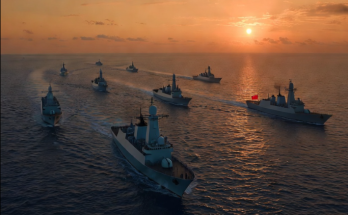
The Strait of Hormuz serves as a vital chokepoint. Roughly 20% of global oil passes through its narrow waters daily. Geopolitical friction often flares here, with Iran frequently conducting drills and the U.S. Navy maintaining a strong presence to ensure free navigation.
In our scenario, Iran aims for surprise. Coastal batteries hide from radar, ready to unleash a saturation strike. However, U.S. carrier strike groups operate with constant vigilance. History shows that underestimating these defenses leads to severe setbacks.
For context, real-world tensions have involved Iranian mock attacks on carrier replicas and U.S. responses to threats, but nothing matches this exact dramatic timeline.
The Coordinated Saturation Attack Unfolds
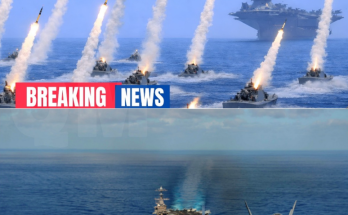
Picture the launch: 32 advanced anti-ship missiles streak toward the carrier. These weapons feature sea-skimming flight paths and guidance to dodge detection. The goal? Overwhelm defenses through sheer volume in a tight window—under four minutes to impact.
Iran counts on speed and numbers. Yet, modern naval groups rarely face total surprise. Aegis-equipped destroyers and cruisers scan constantly. Detection happens almost instantly via powerful radars.
Layers of U.S. Missile Defense Kick In
The U.S. Navy builds defense in depth. Here’s how it works:
- Outer layer: SM-3 and SM-6 interceptors from destroyers engage high-altitude threats early.
- Mid-layer: Close-in systems like SeaRAM and Phalanx CIWS handle leakers.
- Electronic support: Jamming disrupts missile seekers.
In seconds, radars lock on. Interceptors launch. Many missiles fall to the sea. Electronic warfare blinds incoming guidance, causing some to veer off. This layered approach has proven effective in real exercises and conflicts.
The Invisible Fight: Electronic Warfare Dominates
Electronic warfare turns the tide quietly. Iran tries to jam U.S. radars and links. In response, the Navy deploys its own jamming and decoys.
Aircraft from the carrier launch electronic attack pods. They suppress enemy signals while maintaining clear communications. This “invisible battlefield” often decides outcomes before kinetic hits occur.
Swift and Overwhelming Counterstrike
With defenses holding, the U.S. shifts to offense. Tomahawk cruise missiles launch from submarines and surface ships. These precision weapons target launch sites, command centers, and coastal batteries.
Air wings scramble. F/A-18s and F-35s strike remaining threats. The response escalates rapidly—destroying infrastructure and neutralizing capabilities. In the scenario, this unfolds in coordinated waves, leading to quick degradation of Iranian assets.
Aftermath: A Rapid Strategic Collapse
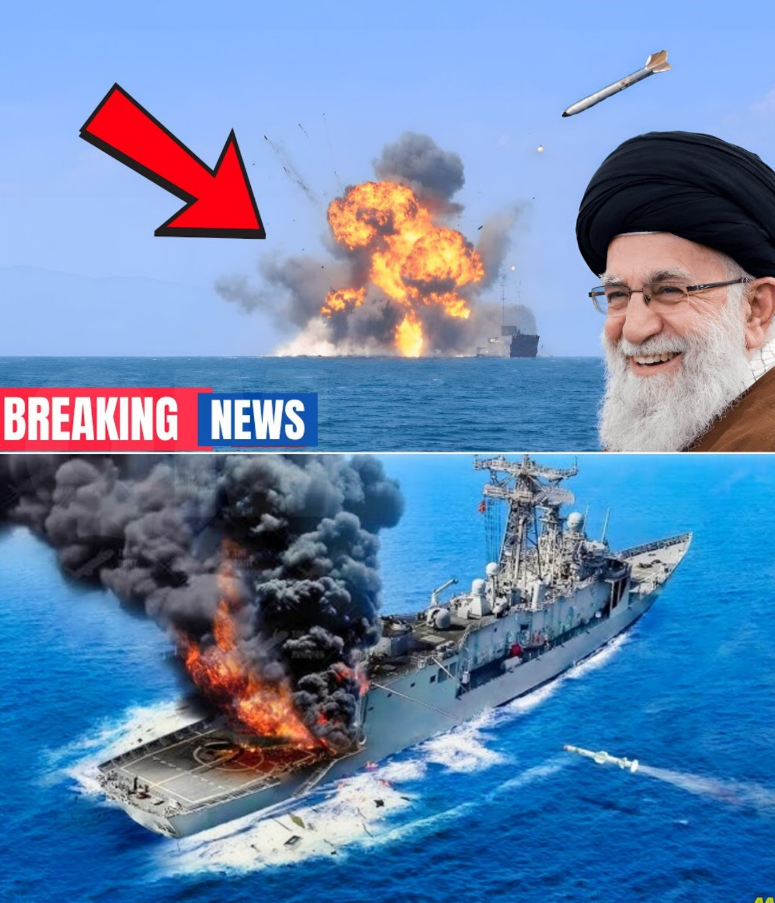
Within 32 minutes, the attack crumbles. Intercepted missiles litter the water. Counterstrikes hit hard, crippling launch networks. Iran faces heavy losses, while the carrier group sustains minimal—if any—damage.
This fictional outcome stresses a key point: Attacking a U.S. carrier strike group invites massive retaliation. The first move rarely wins; the response often ends the fight.
Key Lessons for Modern Naval Warfare
This scenario reminds us of several realities:
- Technology wins battles — Layered defenses and electronic tools provide huge advantages.
- Preparation matters — Constant readiness turns potential disasters into controlled outcomes.
- Escalation risks remain high — In real tensions, such actions could spark wider conflict.
Understanding these dynamics helps explain why major powers avoid direct carrier strikes. They carry enormous costs.
For more on real naval capabilities, check authoritative sources like the U.S. Naval Institute or CSIS reports on Gulf security.
What do you think—does this highlight deterrence effectively, or raise more questions about escalation? Share your thoughts below.