Iran Tests Sayyad-3G Missile in Strait of Hormuz: What It Means for U.S. Carriers
Iran recently tested its new Sayyad-3G naval air defense missile in the Strait of Hormuz. This event has sparked questions about regional power shifts and potential risks to U.S. Navy operations. The test, conducted in February 2026, involved launching the missile from a warship during military drills.
While dramatic claims suggest Iran has “locked the sky,” the reality centers on enhanced defensive capabilities rather than total airspace control. Let’s examine the facts, implications, and why this development matters for naval strategy.
What Happened During the Sayyad-3G Test?
Iran’s Islamic Revolutionary Guard Corps (IRGC) Navy carried out the test in late February 2026. They fired the Sayyad-3G—a naval version of the land-based Sayyad-3—from the Shahid Sayyad Shirazi, a Shahid Soleimani-class corvette.
This marked the first ship-based vertical launch of this long-range system. Iranian sources described it as part of “Smart Control” exercises in the strait. Footage showed a successful launch, highlighting vertical capability for quick 360-degree response.
Reliable reports from Anadolu Agency and Middle East Monitor confirm the details. No independent verification disputes the test occurred.
Key Specifications of the Sayyad-3G Missile
The Sayyad-3G builds on Iran’s existing air defense tech. Here’s what stands out:
- Range: Reported at about 150 kilometers (93 miles), enough to cover much of the strait’s narrow 21-nautical-mile width in overlapping zones.
- Speed: Estimates vary from Mach 4.5 to higher figures like Mach 7 in some Iranian claims—fast enough for rapid intercepts.
- Purpose: Designed to target aircraft, drones, cruise missiles, and high-altitude threats.
- Launch method: Vertical launch system (VLS) allows firing without turning the ship toward the target.
These features help create layered defenses. However, real-world performance against advanced U.S. aircraft remains untested in combat.
Why the Strait of Hormuz Matters So Much
This narrow waterway handles around 20% of global oil flow. Any disruption affects energy prices worldwide. Iran has long used the strait for strategic leverage through drills and threats.
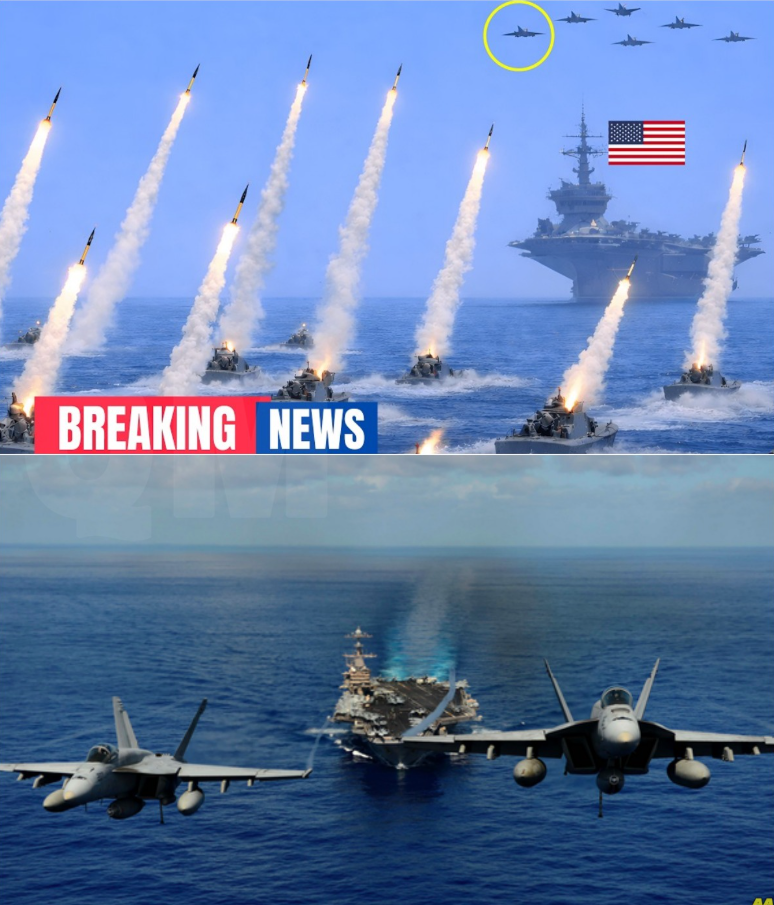
For decades, U.S. carrier strike groups have operated here with strong air superiority. The Sayyad-3G test signals Iran’s push for better area denial. Mobile platforms like corvettes and fast boats could spread defenses wider.
Still, U.S. forces maintain layered countermeasures. Aegis systems, electronic warfare, and carrier air wings provide robust protection.
Potential Impact on U.S. Naval Operations
Does this directly threaten U.S. carriers? Not immediately in a decisive way. Carriers stay outside maximum threat ranges when possible. They rely on escorts, early warning, and standoff strikes.
Iran’s move fits a broader asymmetric strategy. Distributed mobile networks challenge traditional power projection. This could force tactical adjustments—like altered flight paths or increased standoff distances.
Experts note that while concerning, such systems face limitations against stealth tech, jamming, and overwhelming U.S. firepower. Recent events show rapid U.S. responses to threats in the region.
Regional and Global Reactions
Saudi Arabia, the UAE, and other Gulf states watch closely. They may speed up their own defenses or deepen U.S. ties. Heightened tensions raise escalation risks, especially with ongoing U.S. military presence.
Globally, oil markets stay sensitive to Hormuz developments. Any blockade attempt would draw strong international response.
For more details, see reports from Anadolu Agency or Middle East Monitor.
Final Thoughts on the Evolving Balance
Iran’s Sayyad-3G test represents real progress in its naval air defenses. It challenges assumptions about easy U.S. dominance in the skies over Hormuz. Yet, modern naval warfare involves complex factors beyond one weapon.
U.S. carriers remain formidable due to superior training, technology, and alliances. The situation underscores the need for vigilance and diplomacy to avoid missteps.
Have you followed similar developments in the Gulf? What aspect concerns you most—energy security, military escalation, or something else? Share in the comments.