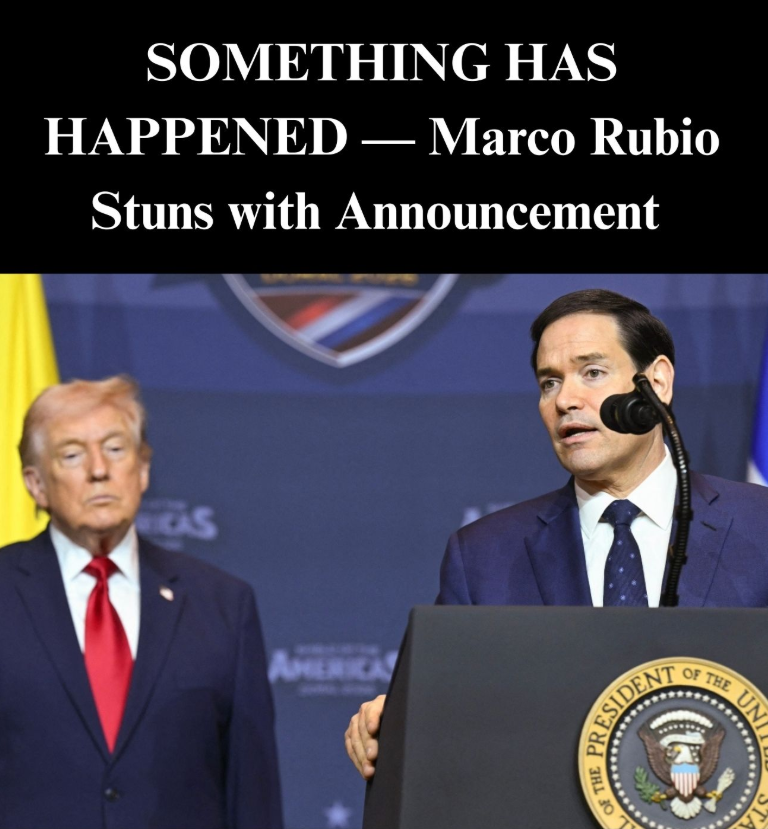
According to Bash, who said she spoke with Trump about multiple global flashpoints, the president stated, “Cuba is gonna fall pretty soon,” adding that the United States has “plenty of time, but Cuba is ready.” Bash also reported that Trump told her he would soon “put Marco over there.”
Rubio, whose parents immigrated to the United States from Cuba before Fidel Castro consolidated power, has long advocated for democratic change on the island. As secretary of state, he now appears poised to play a central role in any U.S. diplomatic push as Cuba faces mounting economic and political strain.
Cuba is grappling with a severe economic crisis marked by soaring inflation, food shortages and widespread fuel scarcity. A major blackout across the western half of the country this week underscored the deepening energy emergency. Analysts have warned that Cuba could exhaust its remaining fuel reserves within weeks if new supplies are not secured.
The situation worsened after the United States captured Venezuelan leader Nicolás Maduro and disrupted Venezuela’s oil export network. For years, Caracas provided Havana with subsidized oil shipments. Following the U.S. action, Venezuelan shipments reportedly stopped, and U.S. forces have intercepted other vessels attempting to deliver fuel to the island, according to prior reporting by The New York Times. Cuban officials are believed to have only a limited fuel supply remaining before more prolonged nationwide outages occur.
A United Nations official recently described conditions in Cuba as “becoming fragile,” citing deteriorating food security and infrastructure breakdowns.
Advertisement
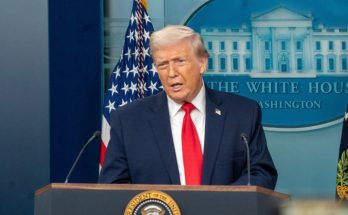
Trump has suggested that any change in Cuba could occur without direct military intervention. “The Cuban government is talking with us. They’re in a big deal of trouble, as you know. They have no money, no anything right now,” Trump said at the White House. “Maybe we’ll have a friendly takeover of Cuba. We could very well end up having a friendly takeover of Cuba.”
Details of what that would entail remain unclear. Latin America analysts say the administration may be exploring a negotiated transition that could involve economic reforms, security guarantees or political concessions from Havana.
Reports indicate Rubio has engaged in discussions involving figures close to Raúl Castro, the 94-year-old former Cuban leader who still exerts significant influence over the military. Raúl Castro’s control of the armed forces is widely seen as the backbone of the regime’s stability.
Experts suggest that potential areas of negotiation could include the release of political prisoners, expanded cooperation with the United States on migration and counter-narcotics enforcement, compensation mechanisms for U.S. companies whose assets were expropriated during the revolution, and assurances that Cuba will not deepen security ties with U.S. adversaries such as Russia or China.
At the same time, some Republicans are calling for full regime change rather than incremental reform. Sen. Lindsey Graham said on Fox News, “Cuba’s next, they’re gonna fall, this communist dictatorship in Cuba, their days are numbered.” Rep. Carlos Gimenez of Florida, who was born in Cuba, posted on X that the regime “MUST BE DESTROYED & RELEGATED TO THE DUSTBIN OF HISTORY!”
Trump has taken a more measured public posture, suggesting that sequencing foreign policy actions is important. “We could do them all at the same time but bad things happen… you do them all too fast, bad things happen,” he said, referring to simultaneous geopolitical operations in multiple regions.
Cuba’s strategic proximity to the United States — roughly 90 miles from Florida — has made it a focal point of U.S. foreign policy since the Cold War, including during the 1961 Bay of Pigs invasion and the 1962 Cuban Missile Crisis.