U.S.-Israel Strikes on Iran: Daytime Operations and Massive Scale Explained
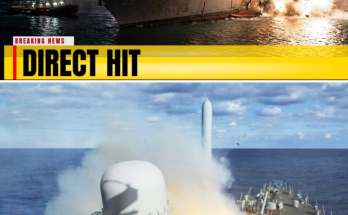
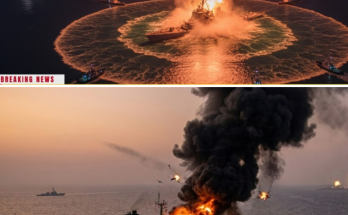
U.S.-Israel strikes on Iran have escalated into one of the most intense military campaigns in the Middle East in recent decades. Starting February 28, 2026, joint U.S. and Israeli forces launched Operation Epic Fury and related efforts, targeting Iranian military sites, leadership, and infrastructure. Reports describe widespread explosions, activated air defenses, and visible contrails from missiles and aircraft during daytime phases.
This ongoing conflict has drawn global attention due to its scale and risks. As of March 8, 2026, strikes continue amid Iranian retaliation across the region. Here’s a clear breakdown of what happened, why daytime operations stand out, and what it means moving forward.
The Start of a Major Coordinated Campaign
The operation began with surprise strikes on February 28, 2026. U.S. and Israeli aircraft, missiles, and bombers hit key targets across Iran.
Early waves focused on air defenses, command centers, and missile sites. By early March, forces expanded to include oil facilities and refining infrastructure in Tehran and beyond.
Reliable sources like the Institute for the Study of War and U.S. Central Command confirm thousands of munitions used. This disrupted Iran’s ability to respond effectively.
Why Daytime Strikes Broke from Standard Tactics
Most modern air campaigns prefer night for cover. Darkness hides aircraft from visual detection and reduces civilian exposure.
However, these strikes included bold daytime elements. Analysts point out this choice signals strong confidence in air superiority.
For example, U.S. officials noted local air dominance over parts of Iran by early March. Daytime visibility lets forces demonstrate control and overwhelms defenses openly.
Such moves carry psychological weight. They show attackers fear little interception.
Key Targets Hit in the Operation
Strikes aimed at weakening Iran’s military core. Common categories include:
- Missile storage and launch sites — To limit retaliation.
- Radar and early-warning systems — Blinding detection networks.
- Air defense batteries — Clearing paths for follow-up attacks.
- Command and communication hubs — Disrupting coordination.
- IRGC-linked bases — Targeting elite forces.
- Logistics and naval assets — Cutting supply lines.
This “blinding the battlefield” approach reduces threats fast. Destroying stored missiles prevents future launches.
Satellite imagery shows extensive damage at military bases.
Visible Signs: Contrails, Explosions, and Air Defenses
Witnesses saw long white contrails streaking the sky. These form from high-altitude exhaust in cold air—common during mass missile and jet activity.
Explosions boomed near facilities. Iranian air defenses activated sirens and launched interceptors in multiple areas.
Defending against saturation attacks proves tough. When dozens of threats arrive together, systems get overwhelmed.
Videos and photos from residents captured these dramatic scenes.
The Broader Strategic Message
Beyond damage, operations send strong signals. Daytime execution projects dominance.
The campaign seeks to degrade Iran’s missile program and prevent nuclear advances. U.S. leaders, including President Trump, emphasized destroying threats without ground invasion.
Iran responded with missile and drone strikes on regional U.S. bases and allies. This widened the conflict to Gulf states and beyond.
Risks and What Comes Next
Escalation remains a top concern. Retaliation cycles could draw in more actors.
Global reactions include protests, diplomatic efforts, and market impacts from energy route worries.
Information spreads fast online. Verify sources carefully—some footage may mislead.
Analysts watch for diplomacy or further strikes. Outcomes depend on next moves from all sides.
For trusted updates, check sources like the Institute for the Study of War (understandingwar.org) or U.S. Central Command statements.
What stands out most to you in this conflict—the military tactics, regional fallout, or global implications? Share your thoughts below.