USS Thomas Hudner Engages Iranian Anti-Ship Missile in Gulf of Oman: What We Know
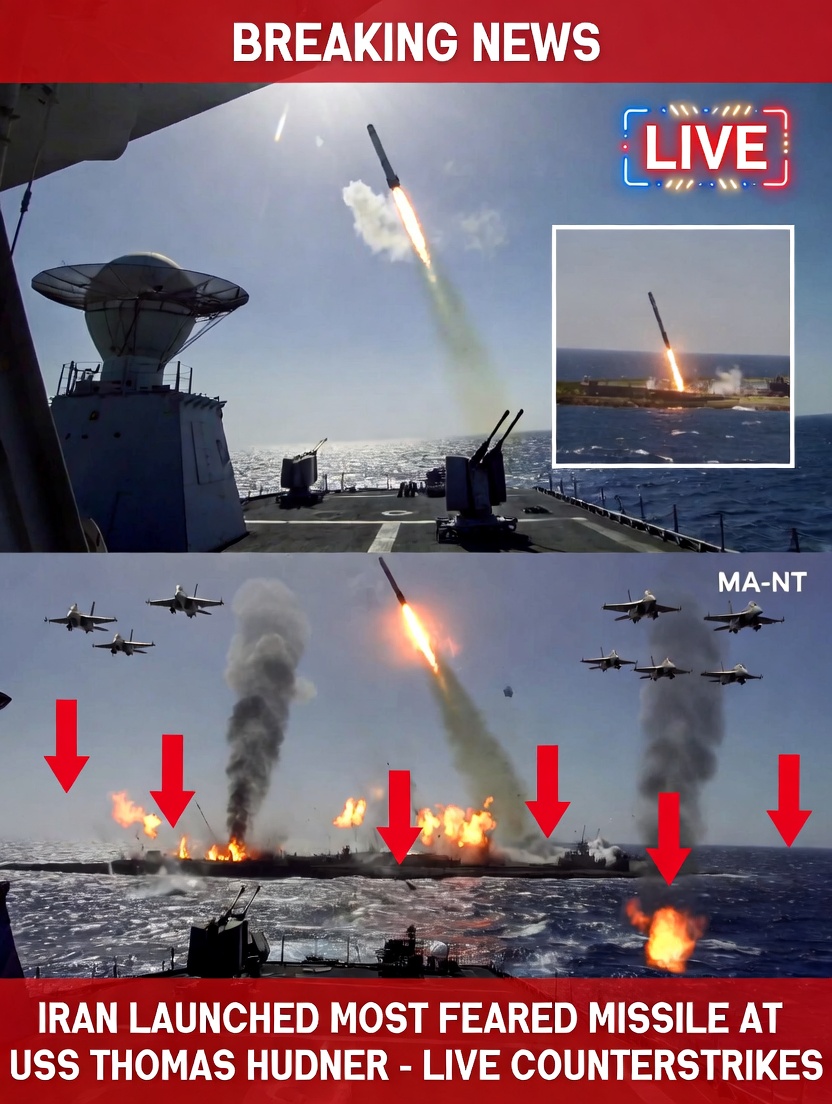
The USS Thomas Hudner faced an Iranian anti-ship missile threat in the Gulf of Oman amid escalating conflict. U.S. officials described the incident as a direct launch from Iran’s coast toward the Arleigh Burke-class guided-missile destroyer. The ship supported nearby carrier operations during Operation Epic Fury.
Radar quickly detected the fast-moving projectile. It climbed after launch, then dropped to sea-skimming height to dodge detection. Crews classified it as an advanced cruise missile built for naval targets.
This event fits the broader U.S.-Iran tensions in March 2026. No official confirmation details a successful hit or full intercept outcome. The destroyer stayed operational afterward.
How the Engagement Unfolded
Modern naval battles happen fast. Here’s the key sequence based on defense reports:
- Detection: Ship radars spotted the launch from Iranian shores.
- Classification: Teams identified sea-skimming tactics designed to evade Aegis systems.
- Response: The crew turned hard, launched countermeasures like decoys, and fired interceptors.
- Timeline: Everything unfolded in seconds—classic high-stakes naval defense.
Evasive maneuvers and electronic jamming help confuse missile seekers. Interceptors, likely SM-6 or similar, aim to destroy threats mid-flight.
U.S. Navy destroyers like the Hudner excel here. They carry layered defenses for exactly these scenarios.
Broader Context in Operation Epic Fury
This incident ties into ongoing operations. USS Thomas Hudner fired Tomahawk missiles at Iranian targets earlier in March 2026. CENTCOM released footage of those launches.
Iran has retaliated with missiles and drones across the region. U.S. forces intercepted many, including anti-ship threats aimed at shipping or allies.
No verified reports confirm this specific missile reached or damaged the Hudner. Official sources focus on U.S. offensive strikes sinking Iranian vessels in the Gulf of Oman.
For instance, CENTCOM noted Iran’s naval presence east of the Strait of Hormuz dropped to zero early in the campaign.
Challenges of Sea-Skimming Anti-Ship Missiles
These weapons fly low and fast. They reduce radar detection time. In narrow waters like the Gulf of Oman, reaction windows shrink.
U.S. Navy counters include:
- Aegis radar — Tracks threats early.
- Decoys and jamming — Spoofs guidance.
- SM-series interceptors — Engage at range.
- Maneuvers — Make targeting harder.
Analysts say such systems pose real risks, even to top defenses. However, layered U.S. protections often prevail in exercises and real events.
Current Status and Regional Impact
As of March 8, 2026, the conflict continues. U.S. forces target Iranian missile sites and naval assets. Shipping faces disruptions near the Strait of Hormuz.
No crew injuries or ship damage from this incident appear in public reports. The Hudner remains active in the area.
For the latest facts, check CENTCOM (centcom.mil) or U.S. Navy releases. They provide verified updates on operations.
What concerns you most about these naval clashes—ship defenses, shipping safety, or escalation risks? Share below.