A delivery truck driver’s attempt to broaden the list of interstate commerce workers who are exempt from mandatory arbitration of legal disputes beyond those employed by transportation companies was granted by the U.S. Supreme Court.
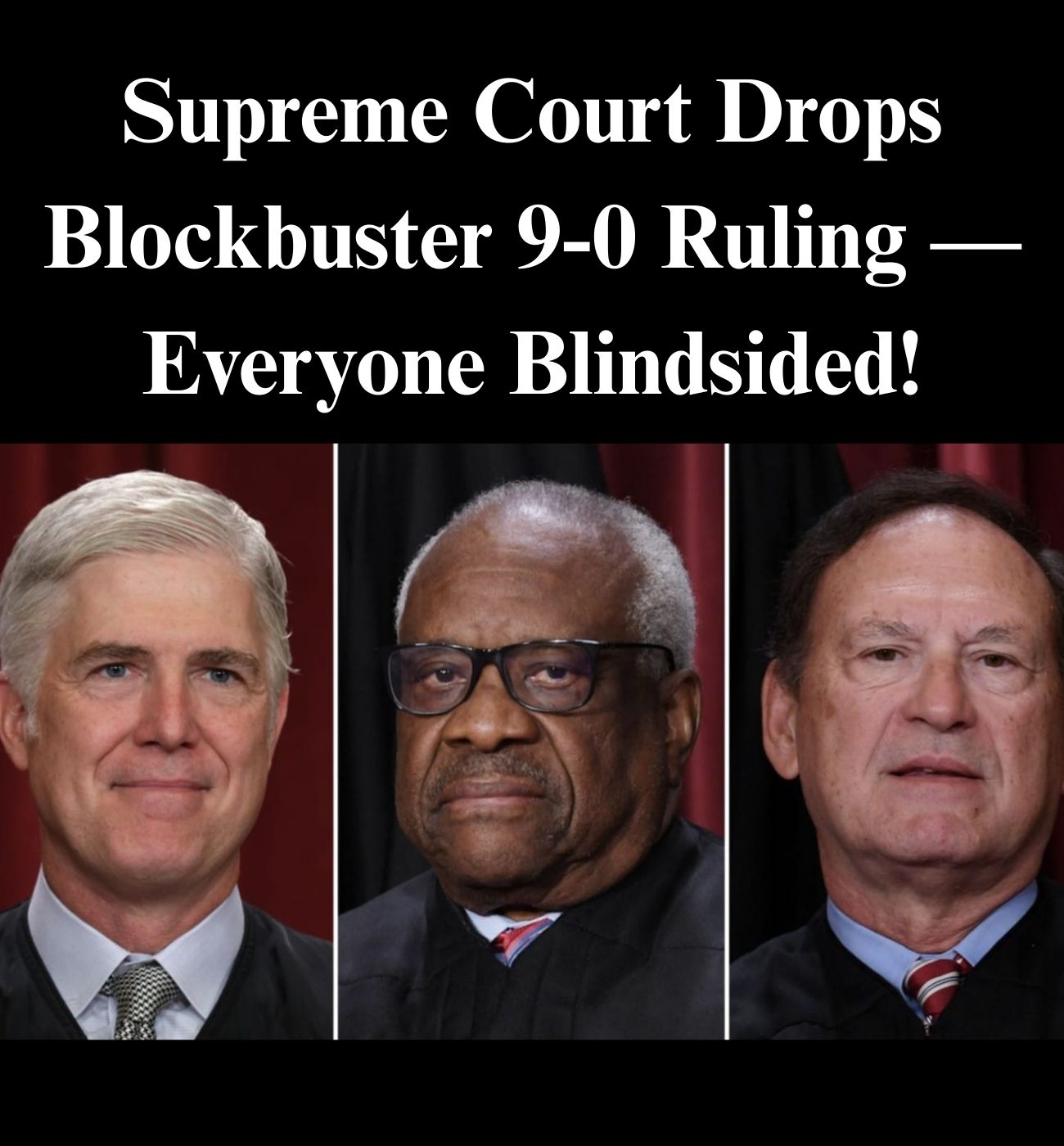
The justices reversed a lower court’s decision to reject Neal Bissonette’s proposed class action lawsuit in a unanimous 9-0 ruling.
Bissonette works for Flowers Foods, the company that makes Wonder Bread, as a delivery driver for LePage Bakeries on Park Street. According to Bissonette, Flowers Foods deprives its drivers of their due compensation by treating them more like independent contractors than employees.
Many businesses insist that individual arbitration is faster and more effective than going to court to settle disputes, and they require employees to sign arbitration agreements. The practice’s detractors claim it shields businesses from accountability for legal transgressions that impact a significant number of employees.
Employment contracts “of seamen, railroad employees, and any other class of workers engaged in foreign or interstate commerce” are exempt from this rule. Arbitration agreements must be upheld in accordance with their terms, according to the 1925 Federal Arbitration Act (FAA).
In 2001, the Supreme Court ruled that only transportation workers were covered by the exemption. Since then, appeals courts have disagreed on whether that refers to all workers who transport goods or just those who work for businesses that offer transportation services, the outlet continued.
The 2nd U.S. Circuit Court of Appeals in New York decided in 2022 that LePage’s case was not covered by the exemption from transportation services. This was due to the fact that his customers were buying bread rather than transportation.
In order to deny drivers minimum wage, overtime pay, and other legal protections while they delivered baked goods to retailers, Bissonette accused LePage of misclassifying drivers as independent contractors.
This week, the Supreme Court made headlines when Justice Samuel Alito abstained from the Court’s deliberation and ruling on a petition pertaining to President Trump.
The Court denied the petition for a writ of certiorari in MACTRUONG, DMT v. Trump, President of the United States, et al., stating that Alito had “no part” in the case. According to Newsweek, the Court did not specify the reasons behind Alito’s recusal or other refusal to take part.
In the past, the petitioner, DMT MacTruong, has filed lawsuits alleging intellectual property theft, abuses of power, and violations of the 13th and 14th Amendments. In this instance, MacTruong requested a court order to “impeach and remove” President Trump and Vice President JD Vance from office after accusing them of “egregious abuse of power, commission of high crimes, misdemeanors, [and] treason.”
According to the outlet, Alito did not take part in the Supreme Court’s decision to reject the petition, but no explanation was given.
As the Supreme Court considers a number of high-profile cases related to the Jan. 6, 2021 attack on the U.S. Capitol, Alito has been under increased scrutiny and has been called to recuse himself from other Trump-related cases.
Alito gained notoriety after it was reported that on January 17, 2021, an inverted American flag was flown outside his residence. Following the Capitol riot, this symbol was linked to supporters of former President Trump’s unfounded allegations that the 2020 election was rigged.
Alito denied taking part in the flying of the inverted flag or the “Appeal to Heaven” flag, which was also flown outside his property, in written answers to members of Congress. He insisted that neither incident qualified for recusal in accordance with the ethics rules of the Supreme Court.
In this case, DMT MacTruong partially asserted that he had assisted Trump in evading impeachment.
“I prevented his impeachment twice. I once sent him an email telling him to stop talking about the scandalous question of whether he paid Stormy Daniels with campaign funds,” he said.
“He listened, but Giuliani, his attorney, ignored him and went on. I sent Giuliani another email telling him to stop talking as well. When he did, the scandal was forgotten, as everyone knows,” he continued.
As part of his larger political agenda, the lawsuit also claimed that the president plotted to harm the plaintiff.